Meeting Fatigue Is Real: How to Measure and Reduce It in Remote Teams
Explore the science of meeting fatigue in remote work, how timezone-unfriendly meetings amplify burnout, and data-driven strategies to reduce meeting load and improve team wellness.
The Science Behind Meeting Fatigue
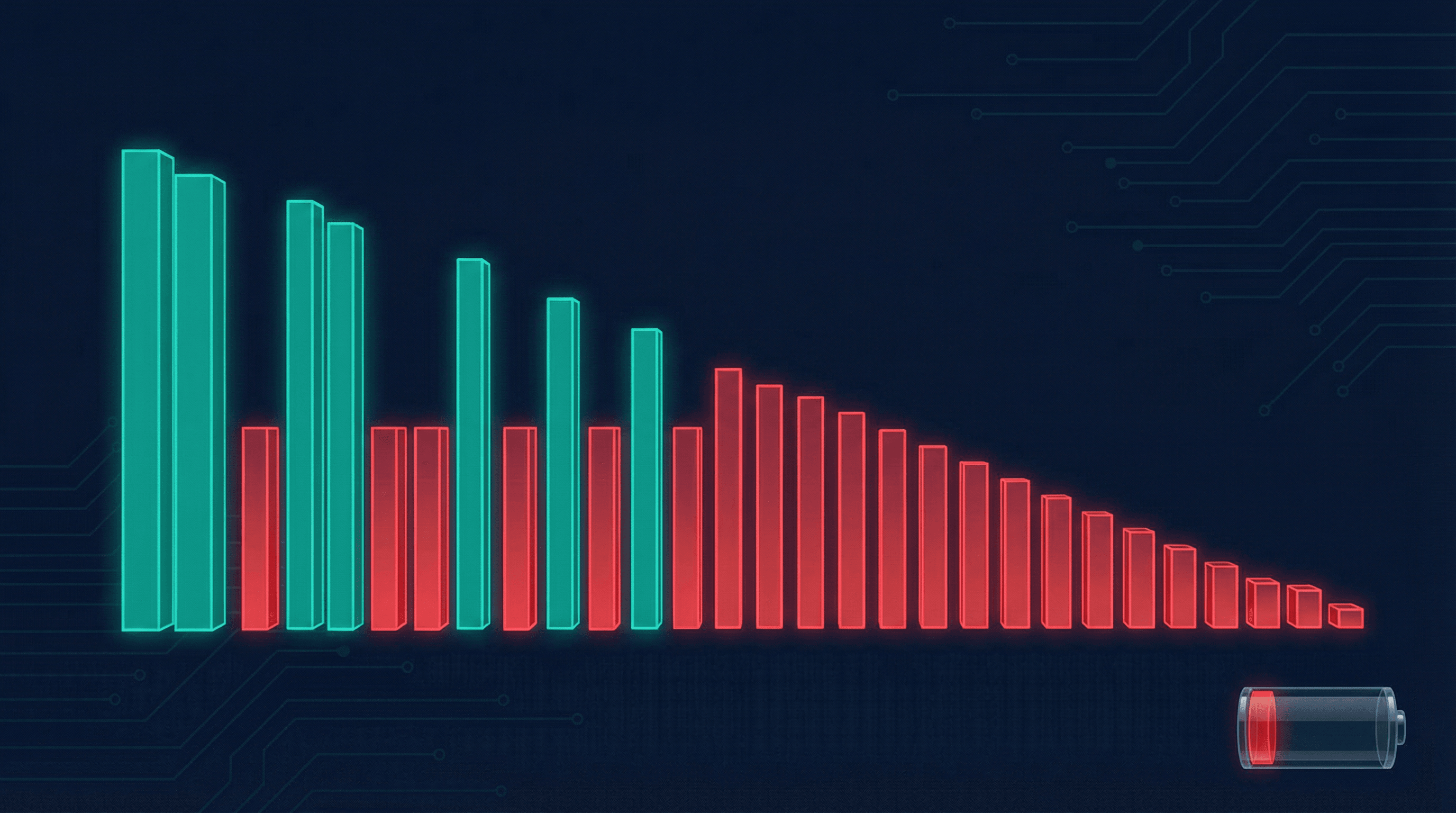
Meeting fatigue—often called "Zoom fatigue" or "video fatigue"—is not just about screen time. Cognitive scientists have identified several real mechanisms behind it. First, video calls demand intense focus on faces. In in-person meetings, you glance around, look at notes, or rest your eyes. On video, your face fills 25% of the screen, forcing you into a mirror-like self-awareness that's neurologically exhausting. You're processing micro-expressions and subtle cues more intensely than you would in a room.
Second, there's the "delay lag" problem. Even 200-millisecond delays in video conferencing create cognitive friction. Your brain expects instant conversational turn-taking, and any lag creates awkward overlaps or silences. Your brain works harder to compensate. Third, there's reduced mobility. In physical meetings, you might stand, walk to the whiteboard, or change positions. In video calls, you're often locked to a chair and camera frame. This physical constraint reduces the dopamine benefits of movement.
Finally, there's decision fatigue. Every call requires you to decide what to wear, how to position your camera, whether your background is acceptable, and whether to turn on video. These small decisions compound into significant cognitive load by mid-afternoon.
How Timezone-Unfriendly Meetings Amplify Burnout 3x
When meetings land outside your natural working hours, the fatigue multiplies. A 9pm meeting after a full workday isn't just late—it's neurologically antagonistic to your circadian rhythm. You've already depleted your willpower and decision-making capacity by 9pm. Your glucose is low. Your melatonin is rising. Asking your brain to make critical decisions at this point is inefficient and it signals to your nervous system that work has no boundaries.
A 2024 Stanford study found that workers joining meetings 2+ hours outside their normal working window reported 45% higher fatigue scores and 30% lower quality of decisions in those meetings. Over months, this pattern creates chronic sleep disruption and burnout. If you're regularly joining 6am meetings as a night owl or 9pm meetings as an early bird, you're not just tired—you're fighting your biology, and your biology will fight back.
The inequity compounds the fatigue. If some team members always get 2pm meetings (perfect) and others always get 6am or 10pm meetings (terrible), the people bearing the cost feel resentment. They're not just tired; they're tired while watching someone else not be tired. This perception of unfairness amplifies burnout significantly more than timezone inconvenience alone.
Measuring Meeting Load: Sacrifice Scores and Baselines
To reduce meeting fatigue, you first need to measure it. Most teams have no idea how much they're meeting or whose schedule is bearing the load. Start with a simple audit: have everyone log their meetings for one week and categorize them as "essential," "valuable," or "optional." Most teams find 30-40% of meetings are optional or could be async.
Next, calculate timezone cost. If you're scheduling a 1-hour meeting, the time cost is consistent, but the pain cost is not. A 2pm meeting in your timezone might have a "sacrifice score" of 1 (minimal impact), while the same meeting at 6am or 10pm might score 7-9 (serious disruption). ClockAlign calculates this automatically, but you can also manually estimate: how many hours outside your natural working window is this meeting? Add that to the fatigue weight.
Once you have baselines, set team targets. A sustainable meeting load is roughly 10-15 hours per week of synchronous meetings for knowledge workers. Many remote teams are at 20-25 hours. Every hour over baseline correlates with higher burnout. Track sacrifice scores collectively: if your team's average weekly sacrifice score is above 50, you're scheduling unfairly, and someone is burning out.
Proven Strategies to Reduce Meeting Fatigue
Meeting audits and culling: Have every recurring meeting justify its existence. If it's been more than 6 months since anyone added an agenda item, it's probably dead. If the meeting could be a 5-minute Slack update, cancel it. Killing meetings is the fastest way to reduce fatigue. Most teams can cut meeting time by 25-30% without losing any meaningful communication.
Async-first defaults: Flip the burden of proof. Instead of "this should be async unless proved otherwise," say "this should be async unless it requires real-time discussion." Use Loom for status updates, written RFCs for decisions, and Slack threads for fast feedback. Schedule synchronous meetings only when async would truly be less efficient. This shifts cultural default toward recorded, shareable updates that are more inclusive anyway.
Golden window scheduling: When you do need synchronous time, schedule ruthlessly in overlap windows when your entire team is actually awake and sharp. If your team has a 2-hour window of overlap, protect it fiercely for the most important coordination work. Don't waste it on status meetings. Schedule the critical decisions, the brainstorms, the code reviews that require real-time interaction in that window. Schedule routine updates async.
No-meeting days and focus blocks: Protect deep work time. If every day has meetings scattered throughout, your brain never settles into focused work. Try "focus Tuesdays and Thursdays"—no meetings those days. Front-load meetings into Monday and Wednesday. This lets people batch the context-switching pain instead of spreading it throughout the week.
Rotation and fairness: If someone must take a 6am or 10pm meeting, rotate who it is. Track sacrifice scores over a month and ensure no individual bears disproportionate cost. This doesn't eliminate the burden, but it signals fairness and prevents the burnout of feeling permanently inconvenienced.
The Business Case: Fairness Reduces Turnover
Here's what most managers miss: meeting fatigue is a leading indicator of turnover. Employees who regularly join meetings outside their working hours are 40% more likely to look for new jobs within 6 months, according to research by Microsoft and MIT. They're not necessarily leaving for more pay. They're leaving because they feel the company doesn't respect their time and wellbeing.
Teams that measure and optimize meeting fairness see measurable improvements in retention, productivity, and morale. You don't need to achieve perfect equality—different time zones make that impossible. But you need to show effort. When team members can see that you're rotating inconvenience, limiting total meeting time, and protecting their focus time, they feel valued. This is especially true for distributed teams where fairness in scheduling is one of the few visible signals that the company actually cares about work-life balance.
Sources and further reading
Ready to schedule meetings fairly?
Try ClockAlign free — see sacrifice scores, find golden windows, and build a more equitable meeting culture.
Get Started Free