When to Cancel the Meeting: A Guide to Async-First Communication
Learn how to identify which meetings should be asynchronous and implement async-first communication without losing connection or decision-making speed.
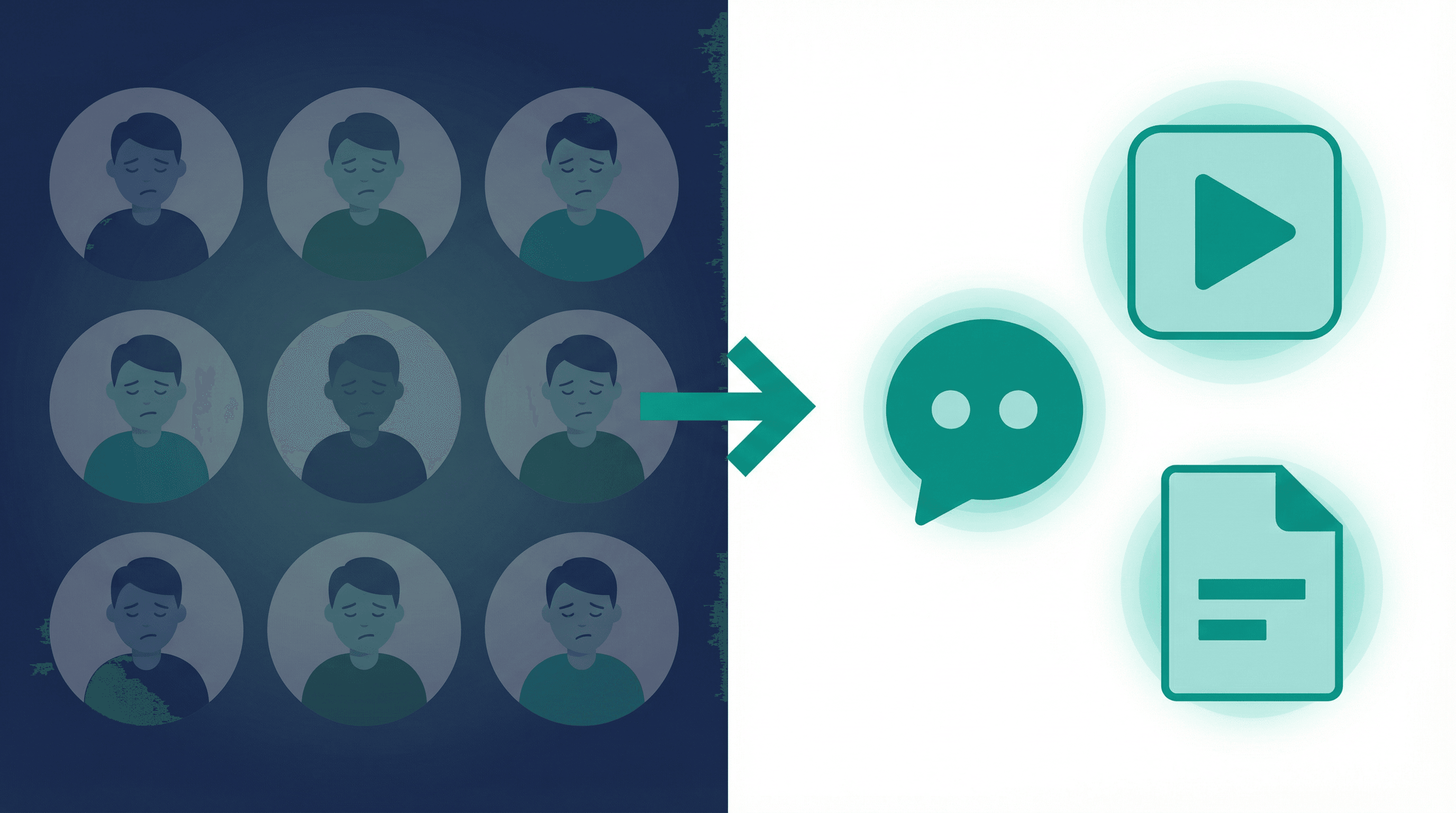
The Problem: Too Many Meetings
The typical knowledge worker attends 23 meetings per week and spends 8+ hours in meetings. For distributed teams, the numbers are often worse because coordinating across timezones creates the illusion that meetings must be rarer (let's only meet when everyone is available), which paradoxically leads to packing more into each meeting. A single team in San Francisco might have back-to-back hourly meetings. A distributed team might have fewer total meetings but each one is 90 minutes long and involves more people.
The real problem isn't the number of meetings — it's the number of unnecessary meetings. Most organizations don't ask whether a meeting is actually required. The default assumption is: "I need to share this information and get buy-in, so I'll schedule a meeting." But not every information-sharing and buy-in process requires synchronous time. Some of the most important communication at successful companies is asynchronous.
For distributed teams, this problem is compounded by timezone pain. A meeting that would be somewhat inefficient in a co-located team becomes genuinely painful in a distributed team because someone is attending at 2 AM. The cost-benefit analysis changes. A meeting that barely passes the "is this necessary?" test in a single timezone is obviously a waste of time (and sleep) in a distributed context.
Identifying Meetings That Should Be Async
Here are the key signals that a meeting should be asynchronous instead of synchronous.
Signal 1: It's primarily informational. Status updates, roadmap announcements, policy changes, product launches — these are fundamentally about information transfer. A synchronous meeting is rarely the best format for information transfer. The presenter rushes, people check email in real time, and not everyone retains the information. An async format (written document, video with timestamps, recorded presentation with Q&A thread) often works better. People can consume on their own time, pause to think, and refer back to it.
Signal 2: It includes 6+ people. Research on meeting effectiveness shows that meetings larger than 5-6 people are dramatically less effective. Too many people mean too many opinions and not enough airtime for everyone to contribute. If you have 12 people, at least half will be passive observers. An async approach lets everyone actually think and contribute. If a decision needs to be made, do the prep async, then have a smaller focused meeting with decision-makers.
Signal 3: There's no time-sensitive decision that needs to be made immediately. If you're in a crisis (production issue, urgent deadline), real-time coordination is necessary. But most of what we call "decisions" aren't actually time-sensitive. A decision can be perfectly well made over 24-48 hours through an async process: propose the option, collect feedback, decide. Many companies make better decisions this way because people have time to think rather than being put on the spot in a meeting.
Signal 4: Your team spans 8+ timezones or involves any significant timezone spread. This is the ClockAlign reality. In a single-timezone company, a 6 PM meeting is merely suboptimal. In a distributed company, a 6 PM Pacific meeting is 2 AM Singapore. If you'd need to rotate the meeting time to be fair to all geographies, that's a signal it should be async instead.
Signal 5: People are half-present. If you notice that 30% of your team is on the call while doing other work (you can tell from lack of engagement), the meeting isn't working. That's a sign it should be async. Async lets people focus fully on their current task, then engage with this communication when they're ready to give it attention.
Signal 6: It's recurring and low-value. Many recurring meetings are habits rather than needs. "We've always had a weekly sync," or "That's just how we do project updates." If you cancel a recurring meeting and no one misses it within two weeks, it was never necessary. Async-first forces you to justify recurring meetings. If you can't make a compelling case that everyone needs to be in a room together every week, try async instead and see what happens.
Async Alternatives to Synchronous Meetings
The written brief. For status updates, decisions, and announcements, a well-written document often works better than a meeting. This sounds obvious, but actually writing clearly takes effort. A 30-minute meeting summary often becomes a 2-page document that people can read in 5 minutes and refer back to. Include: the key information, context for why it matters, what decision (if any) is being made, and the deadline for questions or feedback.
The video or loom recording. Some information is better conveyed with your voice and visual context. A Loom video of your desktop showing a demo, or a recorded presentation about strategy, can include tone and emphasis that text can't. The key difference from a live presentation is that people consume it async, can pause to take notes, and don't have the pressure of live feedback. Add timestamps so people can jump to sections relevant to them.
The slack thread or async discussion. For questions, clarifications, and collaborative thinking, a Slack thread is surprisingly effective. You post the key question or challenge. People respond when they have time. This gives introverts and people in bad timezones for the live meeting a way to contribute meaningfully. The full conversation is documented and searchable. Many teams find they get better ideas from async Slack discussions than from live meetings.
The async nudge and hours bank. Specific to meeting-culture change: some distributed teams use "async nudges" to suggest when a recurring meeting could be dropped or converted to async. "This all-hands would save Tokyo 4 hours per month if we made it async. Let's try a recorded version next month and see if we miss the live format." This frames async as an experiment and creates space to learn what actually works for your team.
The decision framework document. For decisions that need input from many people, instead of scheduling a meeting, create a document that frames the decision, lists options with pros/cons, and asks for feedback by a deadline. People respond with their thoughts. The decision-maker reviews feedback, decides, and communicates the decision async. This often leads to better decisions because people have time to think instead of being pressured in real time.
The office hours slot. Some information needs a real-time Q&A, but doesn't need everyone at the same time. Instead of a meeting, the expert (maybe the VP of Product) offers "office hours" — a recurring 30-minute slot where anyone can drop in with questions. People only attend if they have a question. This saves time for people who don't need answers while still providing synchronous access for those who do.
When Synchronous Meetings Are Actually Worth the Pain
Async-first doesn't mean zero synchronous meetings. Some things genuinely require real-time interaction. The key is being intentional about which things deserve synchronous time.
High-stakes decisions with real disagreement. If you have honest differences of opinion that will take a while to resolve, synchronous is better. People can really listen to each other, ask clarifying questions, and build understanding. Trying to resolve fundamental disagreement async usually just leads to people repeating their position multiple times. A 1-hour sync meeting to resolve something that would take 3 days of async back-and-forth is a good use of synchronous time.
Complex strategy or design work. Sometimes you need to brainstorm, sketch things out on a whiteboard, riff on ideas. Many distributed teams do this synchronously on a tool like Miro or Google Jamboard. An hour of live brainstorming often generates more progress than days of async sketches. But most teams do way more "brainstorming meetings" than they need — often because they're habit, not because they're actually necessary.
Relationship and trust building. This is the hardest to justify in a pure business case, but it matters. Some synchronous time together builds cohesion and trust that pure async can't replicate. Many teams protect 2-3 hours per week of synchronous time not for decisions or information transfer, but for the relationship-building value. These might be team lunches (if co-located), coffee chats, or just casual hang-out time. This serves a real function even if no "work" gets done.
Urgent coordination on time-sensitive issues. Production outages, urgent client issues, rapid response to market changes — these sometimes need synchronous coordination. The decision to escalate to synchronous should be deliberate ("This is genuinely urgent"), not defaulted to.
Rare all-hands moments. When you're announcing something major (acquisition, major pivot, significant company news), there's something valuable about doing it live to all hands at once, even if it causes timezone pain. This is a moment where culture and connection matter more than optimal scheduling. But this is rare. Many companies do all-hands weekly and could easily do monthly async + quarterly live.
Making the Transition to Async-First
The transition is not about eliminating all synchronous meetings overnight. It's about flipping the default from "synchronous unless there's a reason for async" to "async unless there's a reason for synchronous."
Start by auditing your current meetings. List every recurring meeting. For each one, ask: "Would an async format work? What would we lose? Is what we'd lose worth the current pain?" You'll probably find 20-40% of meetings could be async without meaningful loss. Try converting a few to async — maybe the weekly status update, or a lower-stakes team sync. If your team likes the async version, the experiment worked. If they hate it, you've learned something valuable and can adjust.
Create a written async-first policy. "Our default is async. Any meeting over 10 people is assumed to be async unless the organizer makes a case for synchronous. Recurring meetings over 45 minutes should justify why they can't be shorter." This doesn't ban meetings; it just makes them intentional rather than default.
Invest in async infrastructure. This might be documentation tools (Notion, Confluence), video recording capability (Loom), async decision frameworks, and Slack discipline. If your async infrastructure is weak, async-first won't work. You'll just get chaos instead of meetings.
Communicate the why to your team. "We're trying async-first because it respects timezones, gives people focus time, and often leads to better decisions because people have time to think." This helps people see it as an improvement, not a loss.
Measure the impact. Track total hours in meetings per person per week. Survey team happiness about meeting load and timezone pain. After a quarter of async-first, you should see lower meeting load and higher reported quality of life, especially for people in hard timezones.
Sources and further reading
Ready to schedule meetings fairly?
Try ClockAlign free — see sacrifice scores, find golden windows, and build a more equitable meeting culture.
Get Started Free